It’s Time for a More Efficient IRS

American businesses have been bogged down by over-reaching and redundant government regulations that have stifled business growth, opportunity and success. We need to create a policy and business environment that boosts the ability of small businesses to succeed and removes obstacles to economic growth and prosperity for Americans.

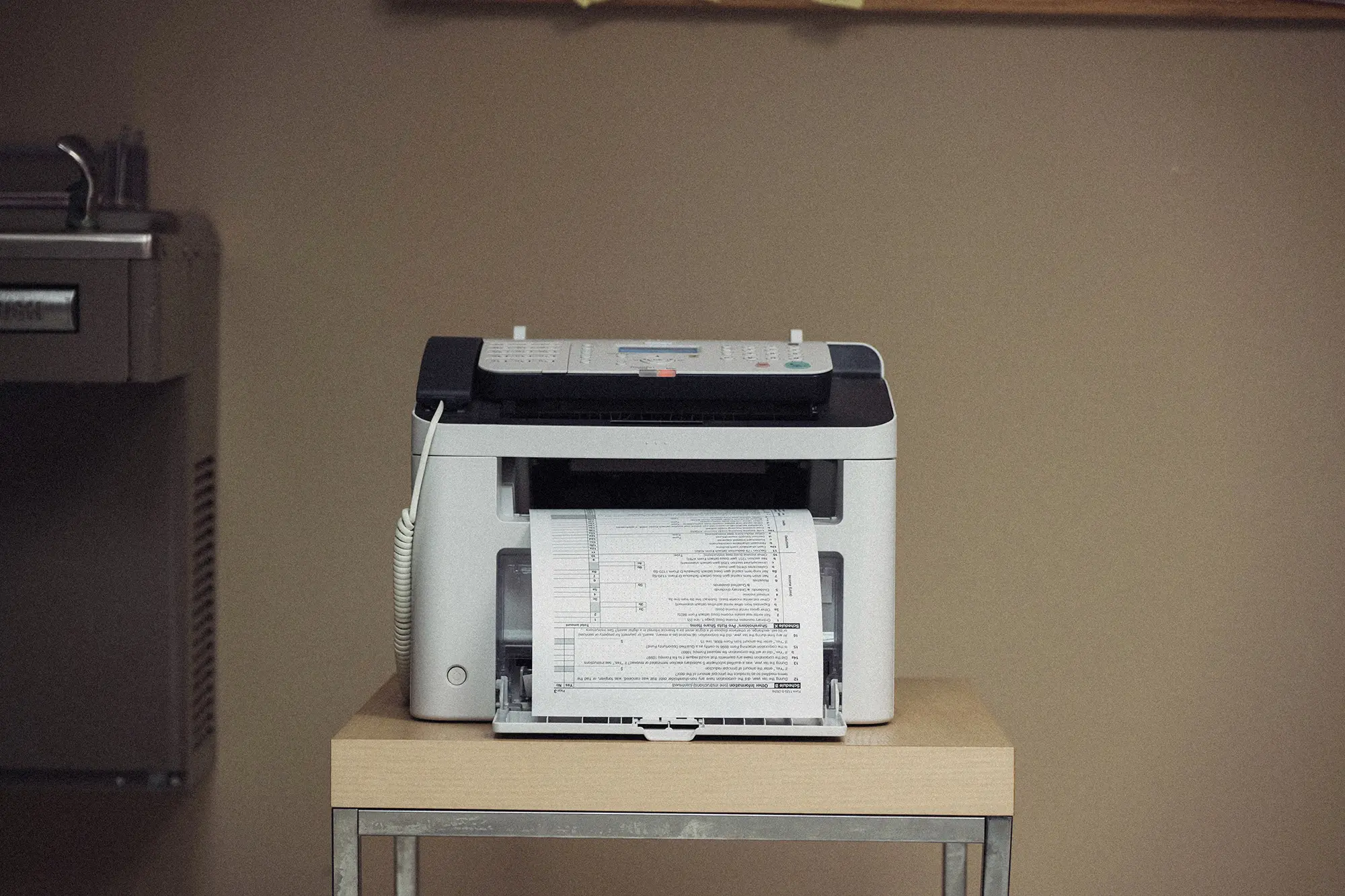
Fax Machine Image

Retire the Fax Machine

Small businesses must still submit their tax forms to the IRS by fax.

Today’s IRS still uses fax machines to send and receive sensitive information needed to process payroll taxes. We needn’t look further for a shining example of government inefficiency. This cumbersome, antiquated process also raises cybersecurity and data privacy concerns. Our government should utilize the very best of 21st century American innovation and technology to modernize this system, allow more secure and trackable transmissions, and retire the fax machine for the immediate benefit of American taxpayers.

Help Small Businesses and Their Employees

IRS mismanagement is costing small businesses and their workers money they are owed.

To help small businesses and their employees, the IRS should update its old and outdated technologies, streamline its processes for reviewing payroll tax credits, and increase transparency in the process so that a taxpayer, including a PEO, can check the status of their employment tax returns and any payroll tax credits claimed on those returns. It's time to do better.
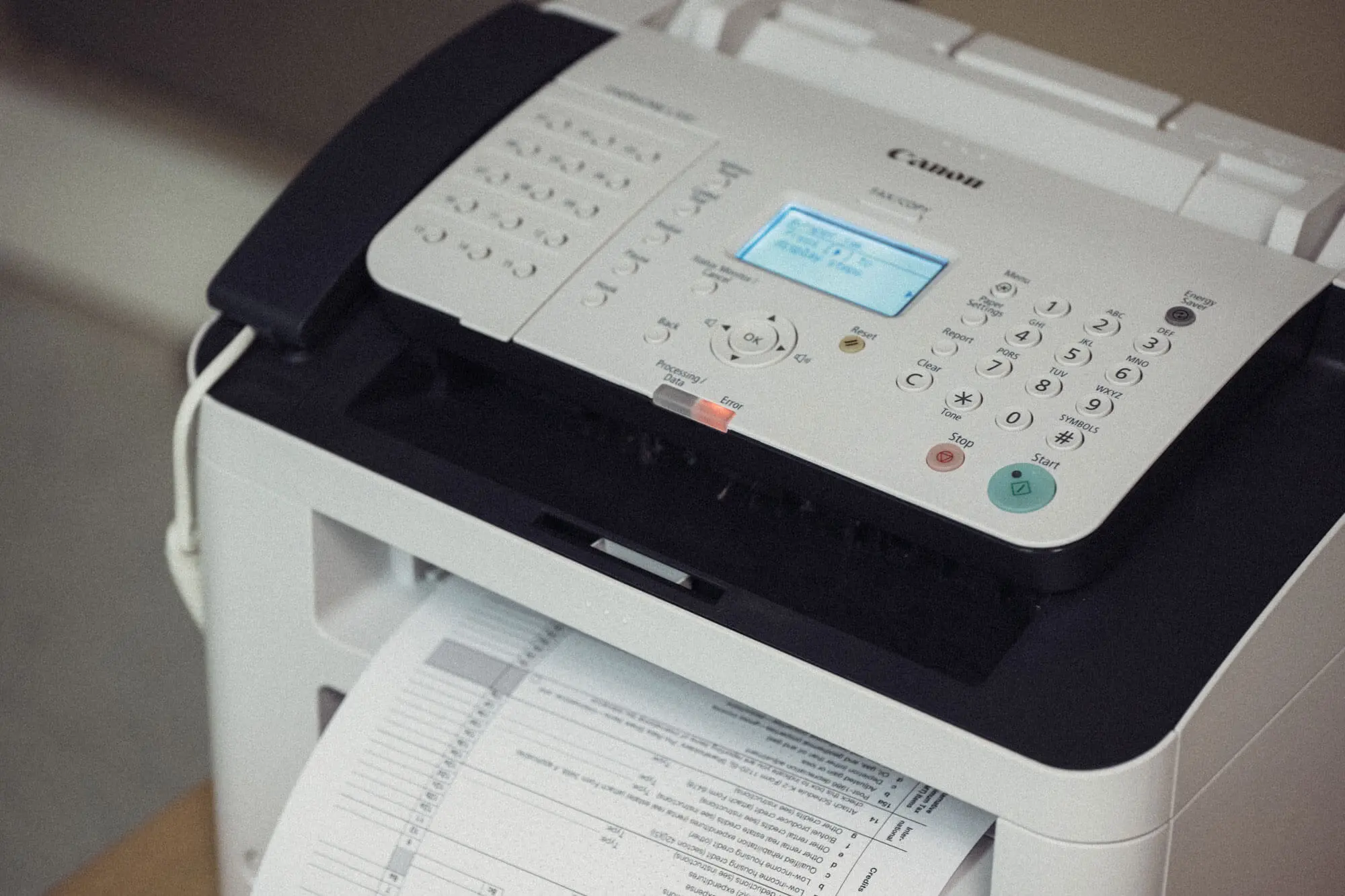
Fax Machine Image

Learn More About PEOs

What is a PEO?

The professional employer organization (PEO) industry plays a vital role in supporting the backbone of the American economy—small businesses. Today, the more than 500 PEOs in the U.S. enhance employment benefits for more than 4.5 million Americans whose employers rely on PEOs for payroll, benefits, HR, tax administration and regulatory compliance. Importantly, we ensure that payroll taxes are collected and remitted accurately and quickly to both the federal and state governments.

How do PEOs help small businesses?

By providing payroll, benefits, and HR services and assisting with compliance issues under state and federal law, PEOs help small businesses to improve productivity and profitability, to focus on their core mission and grow their bottom line. 
Question 3: What kind of benefits do PEOs help their small businesses provide? 
Answer: PEOs enable small businesses to offer their employees access to Fortune 500-level benefits such as: 401(k) plans; health, dental, life, and other insurance; dependent care; and other benefits they might not typically receive as employees of a small company.

What kind of benefits do PEOs help their small businesses provide?

PEOs enable small businesses to offer their employees access to Fortune 500-level benefits such as: 401(k) plans; health, dental, life, and other insurance; dependent care; and other benefits they might not typically receive as employees of a small company.

Do small businesses with a PEO perform better than others?

Yes, businesses that use PEOs grow 7 to 9 percent faster, have employee turnover that is 10 to 14 percent lower, and are 50 percent less likely to go out of business than companies that do not use PEOs.

How many small businesses partner with a PEO?

More than 200,000 small and mid-size businesses employing 4.5 million people partner with a PEO. About 17 percent of all employers with 10 to 100 employees are PEO clients.